Open vs Covered Litter Boxes: Which Setup Fits Your Cat?
Compare open and covered litter boxes by cat comfort, odor perception, tracking, access, cleaning, and placement.

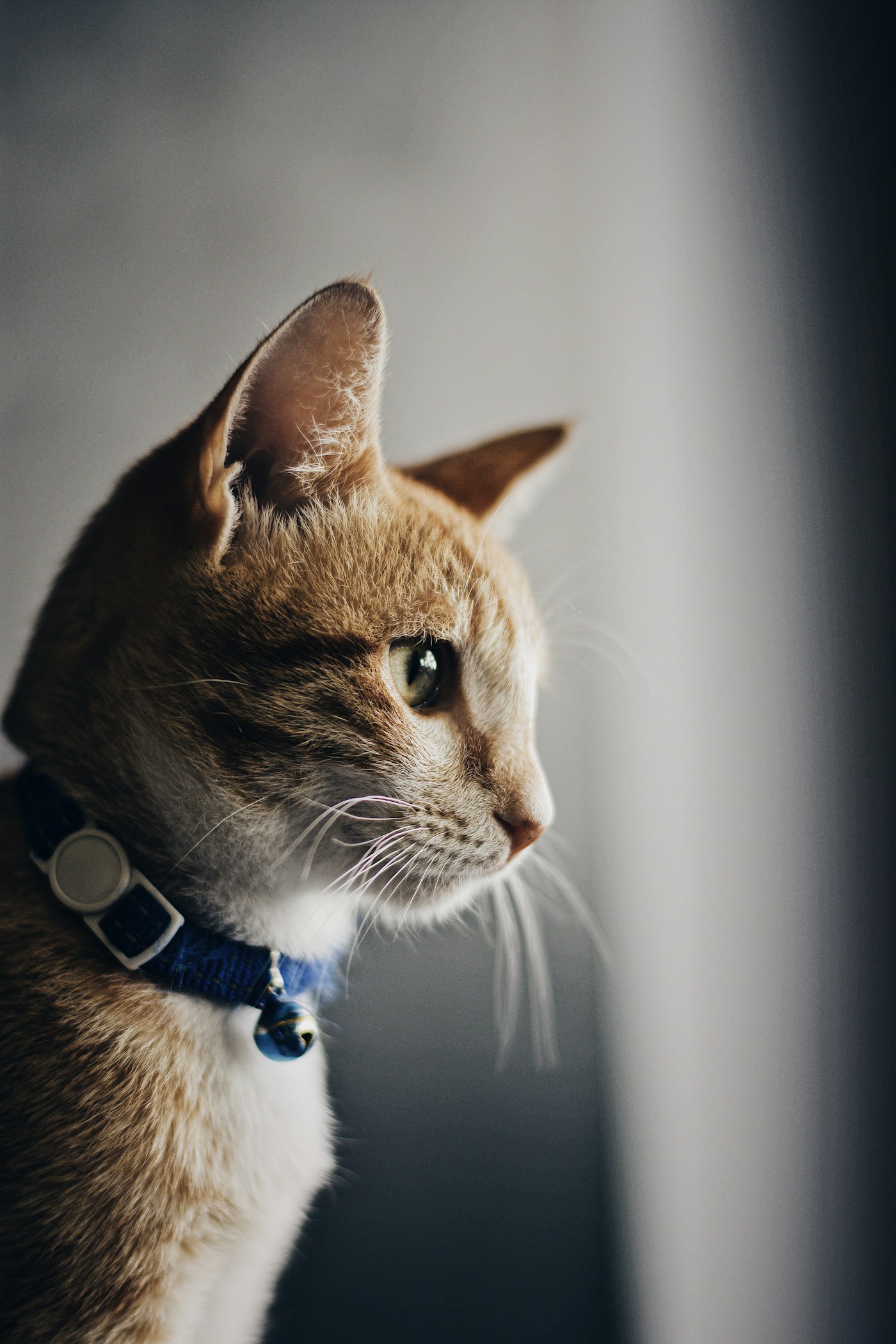
This guide explains decision criteria and does not claim hands-on product testing.
On this pageBrowse sections
The short answer
Start with a large open box when you are unsure. It gives the cat clearer sight lines, easier entry, more usable turning room, and better ventilation. Choose a covered box only when the cat uses it comfortably and the enclosure does not become an excuse to clean less often.
This page compares conventional stationary pans. If the choice includes motors, sensors, and a moving litter bed, use the separate open-top versus enclosed automatic litter box guide.
What actually changes
| Factor | Open box | Covered box |
|---|---|---|
| Visibility | Clear view of the room | Reduced sight lines |
| Airflow | Better ventilation | Holds more odor inside |
| Tracking | Depends mostly on litter and exit path | Hood can contain some scatter, not all tracking |
| Access | Usually easier | Entry height and doorway can limit access |
| Cleaning | Simple surfaces | Hood, seams, flap, and filters add work |
| Human odor perception | Odor reaches the room sooner | Odor may stay concentrated in the box |
Choose for the cat, not the room photo
The cleanest-looking option is not always the most usable. Large cats need room to turn without crouching. Older cats may need a lower entry. Timid cats may prefer clear escape routes, especially in multi-pet homes.
If a covered box seems necessary, use the largest practical interior and consider removing the swinging flap. Place the doorway so another animal cannot guard it.
A simple home test
Offer both formats with the same familiar litter and similar cleaning schedules. Track actual use for two weeks. The box chosen consistently is more useful evidence than a claim that cats prefer one format universally.
Odor and tracking reality
Covered boxes do not destroy odor. They delay how quickly people notice it and can concentrate smell where the cat enters. Tracking is affected by granule size, paw fur, litter depth, exit direction, and the mat—not only the hood.
Bottom line
Use a large open box as the default. Move to a covered design when it solves a real placement or scatter problem and the cat continues to use it without hesitation.
Evidence trail
Sources reviewed
These sources support the factual and safety context on this page. Product fit still depends on the individual cat, household, and current manufacturer instructions.
- Litter Box Preference in Domestic Cats: Covered versus Uncovered ↗Journal of Feline Medicine and Surgery
Used for the finding that group-level preference does not replace testing an individual cat's response.
- AAFP and ISFM Guidelines for Diagnosing and Solving House-Soiling Behavior in Cats ↗Journal of Feline Medicine and Surgery
Used for box size, access, placement, litter management, and cleaning considerations.
Frequently asked questions
Do covered litter boxes control odor better?+
They may contain odor near the box, but that can make the interior less comfortable for the cat. Cleaning frequency, ventilation, litter, and box size matter more than the hood alone.
Can I remove the door flap from a covered box?+
Usually, and doing so can improve visibility and airflow. Confirm that removal does not create a sharp edge or interfere with the box design.